
Bone Grafting Services Made Simple in Tucson, AZ
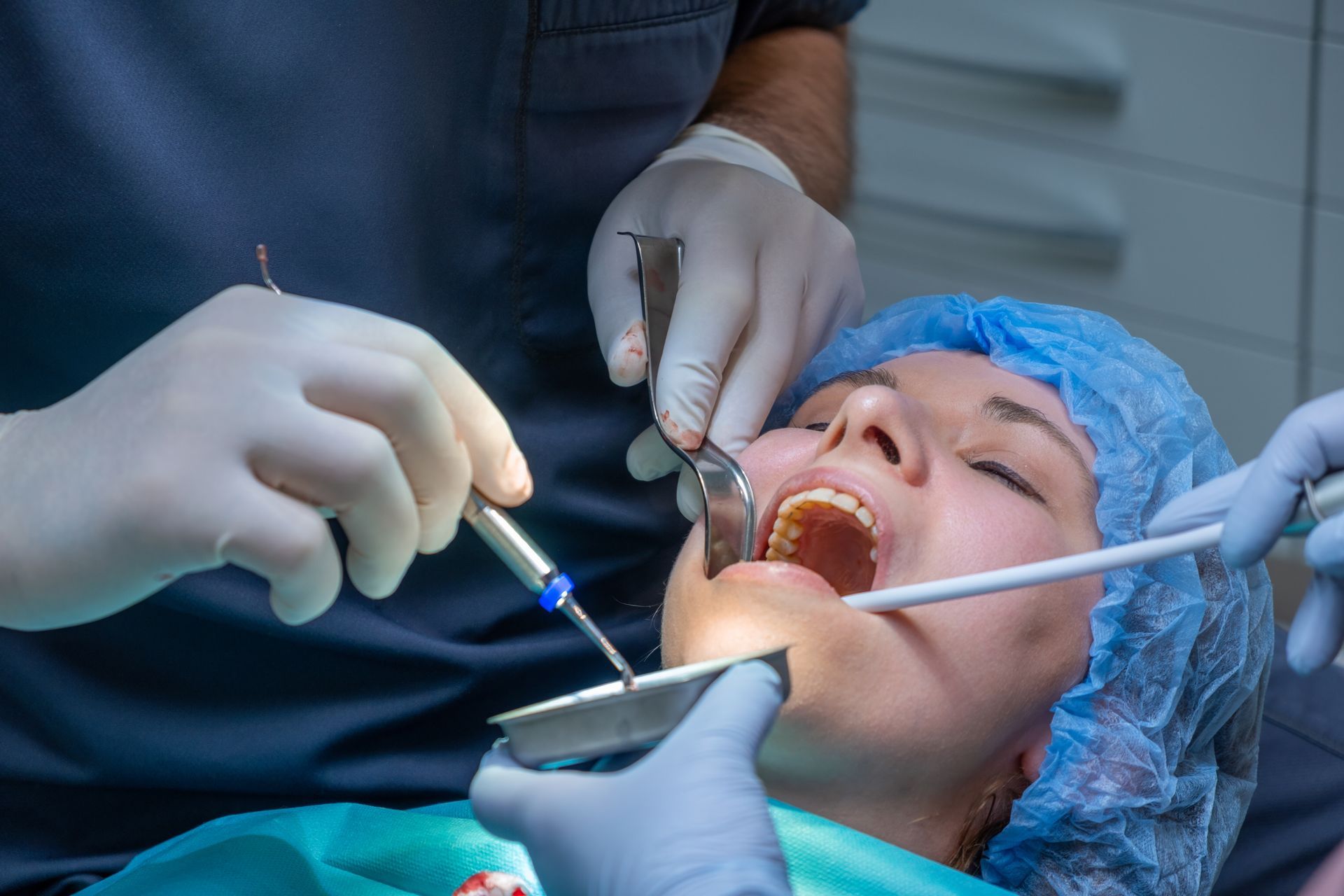
Arizona Periodontics provides bone grafting services in Tucson, AZ, to help repair jawbone structure and prepare patients for dental implants. Dr. Andrew Deeb, a board-certified periodontist with over 20 years of experience, performs these bone grafting procedures. If you have been told that your bone density is insufficient for implants, a consultation with us could offer new options. Call (520) 881-2940 to get started.
What Is a Dental Bone Graft?
A dental bone graft adds bone material to an area of the jaw that has lost density or volume. Tooth loss, gum disease, or trauma can cause the jawbone to shrink over time. Without enough bone, an implant post has nothing solid to anchor into. A graft rebuilds that foundation so the jaw can support a permanent implant.
When Is Bone Grafting Needed Before Implants?
Bone grafting is typically needed when the jaw lacks sufficient volume to hold a dental implant securely. Common causes include tooth loss left untreated for months or years, advanced gum disease that eroded supporting bone, or a prior extraction that caused bone to resorb. Patients researching bone graft dental implants Tucson options often discover this need during an implant evaluation. A CBCT scan or digital X-ray can confirm whether grafting is required.
Types of Bone Graft Material
Several graft material options may be used depending on the patient's anatomy and treatment goals.
- Autograft: bone taken from the patient's own body, often considered the gold standard for healing.
- Allograft: processed donor bone from a tissue bank, a common and widely accepted option.
- Xenograft: bone material sourced from bovine origin, often used for socket preservation.
-
Alloplast:
a synthetic bone substitute when other materials are not preferred.
The Procedure and Healing Timeline
1. Consultation and imaging to assess bone volume and identify the grafting approach needed.
2. Local anesthesia or IV sedation to keep you comfortable during the procedure.
3. Graft material is placed at the deficient site and covered with a protective membrane.
4. The site heals with follow-up visits to monitor progress.
5. Once sufficient bone integration occurs, implant placement can proceed.
Minor socket grafts may heal in three to four months. Larger grafts, including sinus augmentations, can require four to nine months before an implant is placed.
Bone Grafting Cost in Tucson
The cost of bone grafting Tucson AZ patients receive depends on graft size, material used, and whether additional procedures are needed. Many dental insurance plans include some coverage for medically necessary bone grafts. Arizona Periodontics has a dedicated insurance coordinator who can verify your benefits before treatment begins.
Frequently Asked Questions About Bone Grafting
Is Bone Grafting Painful?
Most patients report mild to moderate soreness for a few days after the procedure. Dr. Deeb uses local anesthesia during surgery, and IV sedation may be available for patients who prefer a more relaxed experience. Over-the-counter or prescription medication can typically manage post-procedure discomfort.
How Long Until I Can Get an Implant After a Bone Graft?
Implant placement can often follow a bone graft within three to nine months, depending on how much bone was grafted and how well it integrates. Dr. Deeb will confirm readiness before scheduling implant surgery.
Does Insurance Cover Bone Grafts?
Coverage varies by plan. Some insurers treat bone grafting as a surgical necessity and may provide partial benefits. The Arizona Periodontics team can review your plan and provide a cost estimate prior to any procedure.
Schedule a Bone Graft Consultation in Tucson
Arizona Periodontics offers bone grafting Tucson AZ residents trust alongside dental implant services. Call (520) 881-2940 or visit 801 N Wilmot Rd, Suite B2, Tucson, AZ, to request your consultation. You can also find us on Google.