Gum Tissue Graft Surgery in Tucson, AZ
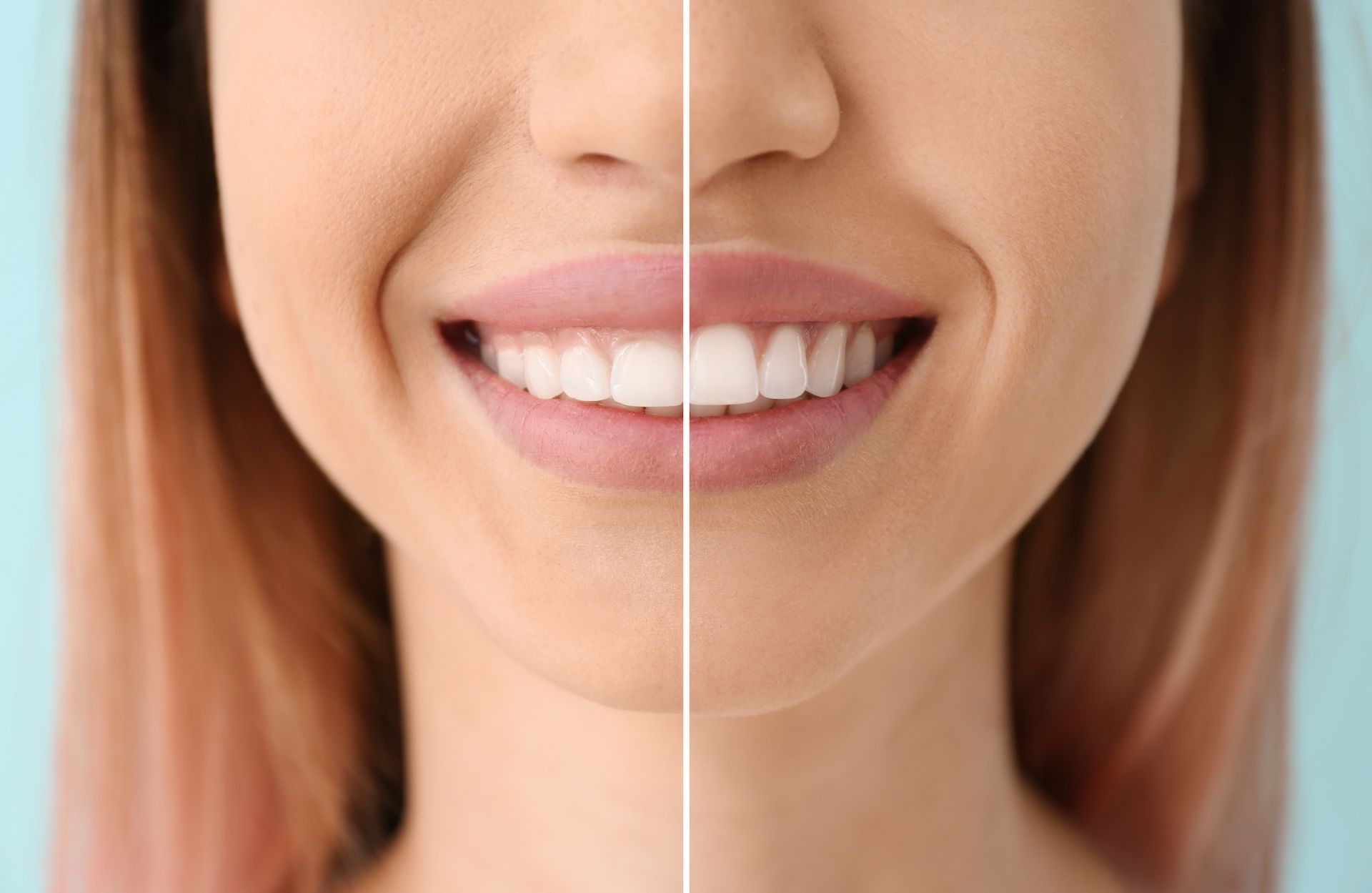
Arizona Periodontics offers Gum Tissue Graft Surgery in Tucson, AZ, for patients with receding gums that put their teeth and long-term oral health at risk. Led by Dr. Andrew Deeb, a board-certified periodontist practicing in Tucson since 2002, the practice delivers specialist-level soft tissue care built on over two decades of experience. If your gums have pulled away from your teeth or exposed root surfaces, call (520) 881-2940 to schedule your evaluation today.
What Is Gum Tissue Graft Surgery?
Gum tissue graft surgery is a periodontal procedure that replaces lost gum tissue to cover exposed tooth roots and restore a healthy gumline. When gums recede, the protective tissue surrounding each tooth pulls back, leaving root surfaces vulnerable to sensitivity, decay, and eventual tooth loss. A graft repositions or transplants soft tissue to cover those exposed areas, stabilizing the gumline and protecting underlying bone. The procedure can also improve the appearance of a smile affected by uneven or receded gums.
Tucson's dry desert climate may contribute to dry mouth and reduced saliva flow, making gum tissue more susceptible to irritation over time. Patients across Tucson, Marana, Oro Valley, Sahuarita, and surrounding Pima County communities may benefit from an evaluation if they notice increased sensitivity or longer-looking teeth.
What Are the Different Types of Gum Grafts?
Several techniques may be appropriate depending on recession severity, tooth location, and available donor tissue.
Connective Tissue Graft
A small flap is opened on the palate and tissue from beneath the surface is removed, then sutured to the recipient site. This approach yields natural-looking results and can treat multiple teeth in one procedure.
Free Gingival Graft
Tissue is taken directly from the palate surface to thicken thin gum tissue and add attached gingiva where very little exists.
Pedicle Graft
Tissue adjacent to the recession site is partially cut and rotated or slid to cover the exposed root. This option is considered when sufficient donor tissue exists near the affected area.
Dr. Deeb will determine the most appropriate technique based on a thorough clinical examination.
Who May Need Gum Grafting?
You may be a candidate if you have one or more of these concerns: visibly receding gums that make teeth appear longer than normal, tooth sensitivity to hot, cold, or sweet foods, exposed roots identified during a dental exam, tissue loss from gum disease, or thin gum tissue that puts teeth at elevated risk for future recession. Addressing recession early may reduce treatment complexity and help preserve supporting bone. Learn more about
gum disease treatment at Arizona Periodontics.
The Gum Tissue Graft Procedure: Step by Step
- A consultation and clinical evaluation are completed, including digital X-rays to assess bone levels and tissue health.
- Local anesthesia is administered to donor and recipient sites; IV sedation is available for patients who prefer a more relaxed experience.
- Donor tissue is harvested from the palate or adjacent gum tissue, depending on the graft type selected.
- The graft is positioned over the exposed root surface and sutured securely into place.
- Post-operative instructions are reviewed and a follow-up appointment is scheduled to monitor healing.
Recovery After Gum Tissue Graft Surgery in Tucson
Recovery involves soft food intake and limited activity for the first one to two weeks. Patients can expect some tenderness at donor and recipient sites during initial healing. A soft diet, prescribed rinses, and avoiding brushing the graft area are standard recommendations. Full tissue maturation may take several weeks, though many patients return to normal routines quickly. Dr. Deeb and the team provide clear post-operative guidance so patients know what to expect throughout healing.
An Alternative to Consider: The Pinhole Technique
For some patients, the Pinhole Surgical Technique may be a minimally invasive alternative to traditional grafting. No palate tissue is harvested. Instead, a small entry point is made in the gum and specialized instruments reposition existing tissue over exposed roots, with no incisions or sutures at the graft site. This can mean reduced post-operative discomfort for appropriate candidates. Dr. Deeb can determine whether traditional gum tissue graft surgery or this alternative better fits your clinical needs.
Frequently Asked Questions About Dental Implants
How Do I Know If I Need Gum Tissue Graft Surgery?
Common signs include visible root exposure, increased tooth sensitivity, and gums that have pulled away from the teeth. A periodontal evaluation with Dr. Deeb will confirm the extent of recession and whether grafting is appropriate.
How Long Does Gum Graft Recovery Take in Tucson?
Initial healing typically takes one to two weeks, with full tissue integration taking longer. Most patients return to regular activities relatively quickly while following post-operative instructions.
Does Gum Grafting Hurt?
Local anesthesia is used during the procedure and IV sedation is available. Post-operative discomfort is manageable with prescribed medication and dietary modifications, and most patients find it temporary and well-controlled.
Will My Insurance Cover Gum Tissue Graft Surgery?
Coverage varies by plan. Many dental insurance plans provide at least partial coverage when grafting is medically necessary. The Arizona Periodontics team can assist with insurance coordination and answer questions about your benefits.
Why Should I Choose a Periodontist for Gum Grafting in Tucson?
A board-certified periodontist has advanced specialty training in gum tissue procedures. Dr. Deeb earned his periodontal surgery certificate and master's degree in oral biology from the Medical College of Georgia and has practiced this specialty in Tucson since 2002.
Schedule Your Gum Graft Consultation at Arizona Periodontics
Arizona Periodontics serves patients throughout Tucson and surrounding southern Arizona communities. Whether you have been referred by your general dentist or are seeking a specialist evaluation on your own, the team is ready to help. Call (520) 881-2940 to discuss your candidacy or explore your periodontal treatment options with Dr. Deeb.